An asset class, not a one-off deal. Triple net lease real estate turns a single corporate tenant into a long, dollar-denominated coupon — the closest thing in real estate to a bond with a building behind it. For family-office and cross-border capital, that combination is the entire appeal. The discipline is knowing exactly how much risk the lease left on your side of the table.
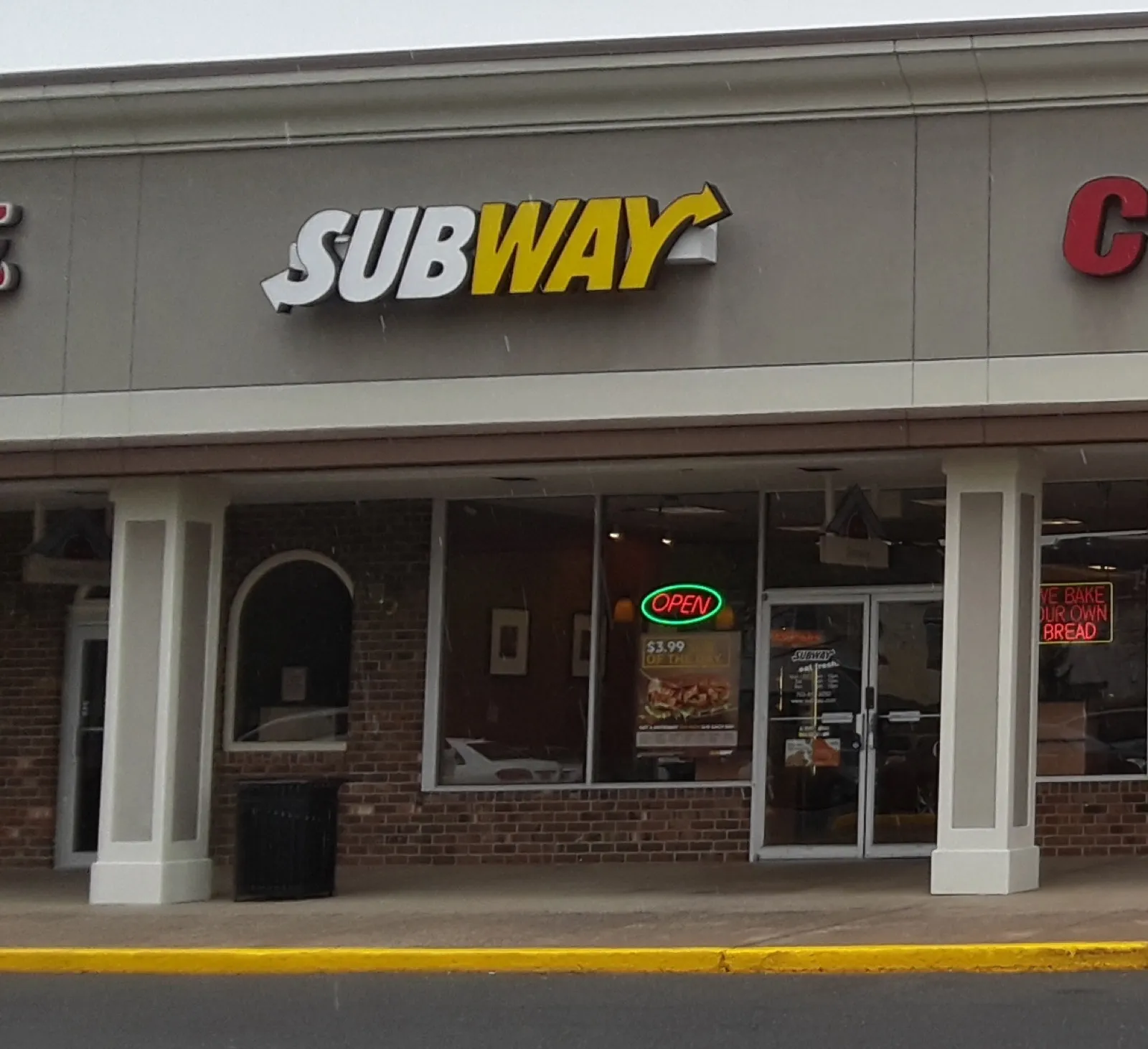
Triple net lease real estate is a class of asset before it is any single property: a long corporate lease, escalating rent, and a tenant who carries the operating costs. The investor owns the dirt and the income stream; the operator runs the business.
Bought one at a time, an NNN property is a building with a tenant. Bought as an allocation, triple net lease real estate is a way to hold U.S. corporate credit in real-estate form — predictable, dollar-denominated cash flow with contractual escalations and almost no management. That is why pension funds, REITs and family offices treat net lease as a category alongside fixed income, not as a collection of one-off storefronts. The thesis is portfolio-level: diversify across tenants, industries, lease maturities and geographies so that no single renewal decision controls the income. The full mandate sits on the NNN advisory page.
The label "triple net" describes a spectrum, and the differences are money. In an absolute-net lease the tenant carries every dollar of risk down to the slab — roof, structure, parking lot, everything — and the landlord truly does nothing but collect rent. In a double-net (NN) lease the tenant pays taxes and insurance but the landlord keeps roof and structure, which means a capital event in year twelve is yours, not theirs. Many deals marketed as "NNN" are functionally NN once you read the maintenance and repair clauses. Knowing which one you are buying is not a detail — it is the difference between a clean coupon and a deferred liability.
Income and value in U.S. dollars — the core reason cross-border capital chooses this asset class over local real estate.
You are underwriting a company's ability to pay rent for a decade. Investment-grade guarantors are the backbone of a defensive allocation.
In absolute net it's the tenant's; in NN it's yours. This single clause decides whether the income is truly hands-off.
Contractual rent bumps — fixed or CPI-linked — are what turn a flat coupon into a growing, inflation-aware income stream.
Staggering renewal dates across the portfolio so no single year concentrates your re-leasing and rollover risk.
Spreading across QSR, auto, dollar, pharmacy and fuel so one industry's downturn never controls the whole income.
For an investor in Mexico City, Bogotá or Santiago, triple net lease real estate solves a specific problem: how to hold durable, dollar-denominated income in the United States without becoming a property manager from abroad. The tenant runs the building; the lease does the work; the check arrives net. Non-residents typically acquire through a U.S. LLC for liability and tax planning, and financing is available with a larger down payment. The appeal is not glamour — it is the same discipline a family office applies to a bond ladder, expressed in real estate. The full thesis and how I work are on the insights and advisory pages.
In an absolute-net lease the tenant carries every cost including roof and structure; in a double-net (NN) lease the tenant pays taxes and insurance but the landlord keeps roof and structure — a future capital cost that belongs in your underwriting.
In a true absolute-net lease, effectively nothing but the land and the income. In a standard NNN or NN lease the landlord may still carry roof and structure, so the exact obligations live in the lease language, not the label.
For predictable, dollar-denominated passive income backed by a long corporate lease with escalations, and almost no management — the closest real estate gets to a bond with a building behind it.
Yes. Non-residents typically buy through a U.S. LLC and can obtain financing with a larger down payment, often 35–45%, from lenders that underwrite the tenant's credit and the lease.
Tell me your dollar target, your risk tolerance and your timing. I'll tell you what the market is pricing, where the real risk sits, and how to ladder it — independent, buyer-side, no obligation.
Email carlos@balartre.com
Direct +1.786.603.3075
Office 1390 Brickell Ave, Suite 104 · Miami, FL 33131
Triple net lease real estate is the core of a cross-border single-tenant mandate. See the full thesis, tenant criteria and how I work.
NNN Commercial Advisory →